

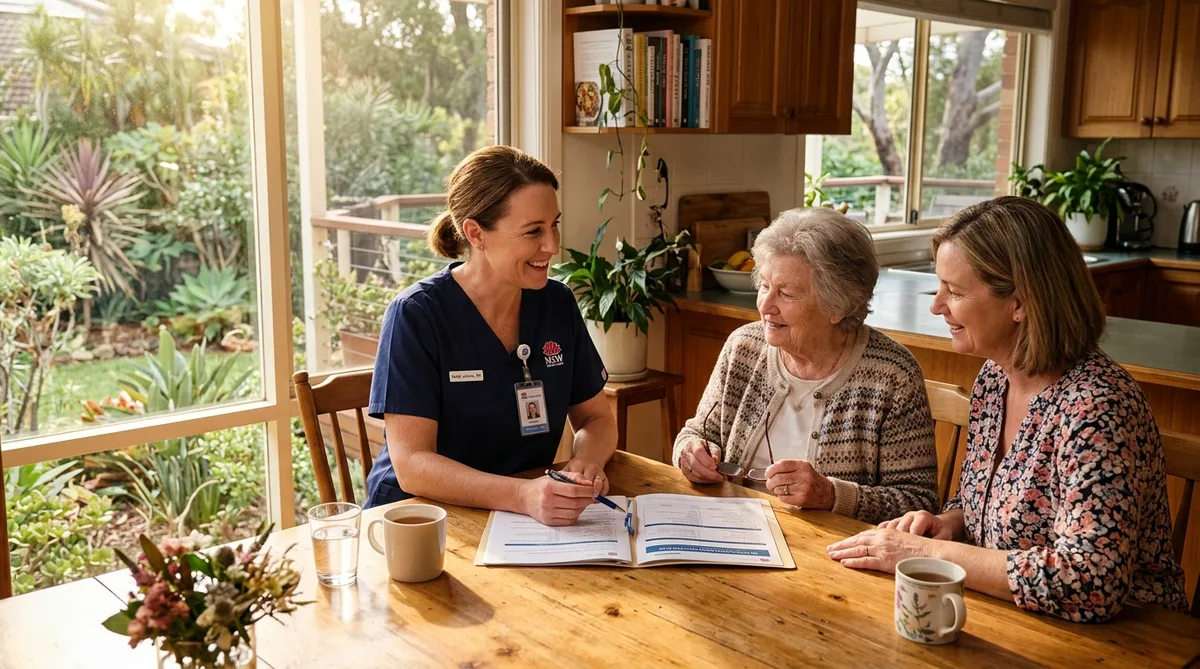
1. What is the Single Assessment System?
The Single Assessment System (SAS) is Australia's reformed national clinical assessment framework, established under the Aged Care Act 2024. Prior to this reform, Australian families had to navigate two disjointed assessment streams: Regional Assessment Services (RAS) for basic domestic help and Aged Care Assessment Teams (ACAT / ACAS in Victoria) for residential or higher-tier funding.
The Single Assessment System creates a unified, single-door pathway. Whether an older Australian requires basic assistive equipment, an in-home Support at Home package, or 24/7 residential nursing care, all clinical evaluations are now coordinated through one integrated assessment workforce.
2. Who Needs an Aged Care Assessment?
You require a formal assessment if you or an elderly relative are experiencing difficulty maintaining independence at home due to physical frailty, chronic illness, mobility challenges, or cognitive decline.
- Standard Eligibility: Australian citizens and permanent residents aged 65 years or older.
- First Nations Australians: Aboriginal and Torres Strait Islander individuals aged 50 years or older.
- Prematurely Ageing / Vulnerable Populations: Individuals aged 50 years or older who are homeless or at risk of homelessness.
3. Home Support vs Comprehensive Care Tiers
During your initial intake with My Aged Care, the triage officer will route your referral into one of two clinical assessment tiers:
1. Home Support Assessment (Entry Level)
Conducted for older individuals who need basic, episodic help to remain safe in their own home.
- Cleaning, vacuuming, and domestic laundry
- Transport to medical appointments and shopping
- Basic home modifications (grab rails, shower ramps)
- Covers the Commonwealth Home Support Programme (CHSP)
2. Comprehensive Assessment (ACAT Level)
Conducted by a multidisciplinary clinical team (registered nurses, physiotherapists, social workers).
- All 8 Support at Home classification tiers ($11k–$80k/yr)
- Residential aged care (permanent nursing home entry)
- Residential respite care (up to 63 subsidised days/year)
- Transition Care and restorative clinical rehabilitation
4. What Documentation to Prepare Before the Visit
Assessors appreciate organised medical records. Having the following paperwork ready on the kitchen table ensures an accurate evaluation:
- Medicare & Pension Cards: Numbers and copies of DVA or concession cards.
- GP Health Summary & Medication List: Printed medication Webster pack list or current prescriptions.
- Specialist Reports: Relevant geriatrician reports, memory clinic assessments, or mobility evaluations.
- Legal Documents: Certified copies of Enduring Power of Attorney (EPOA) or Guardianship if family members manage care decisions.